How to Buy Materials for $1 Sell them for $0.95… and Survive
This is ultimately a recipe for business disaster and bankruptcy. However, you can survive doing this for years as long as your company keeps growing.
Here’s the story:
Two partners start a business. Each year, the business increased its total revenues. After 12 years, the business had reached $2 million in revenue.
They never paid attention to the financial side of their company. They felt that as long as they had cash in the bank to pay their bills, payroll, and take their discounts, they were happy.
The partners did not pay attention to profits or look at the tax returns that the accountant compiled from their financial statements. When the accountant asked them for their inventory value, they guessed. They did not have a clue what it really was.
The only thing that mattered to them was that they had enough cash to operate and do the things they needed and wanted to do.
When the company hit $2 million in revenues, growth stopped. Soon problems began to appear. Occasionally they could not take their discounts. They did not always have the cash to make payroll.
They knew something was wrong. After all, they grew the company to $2 million in revenue without problems. Why, now, at $2 million, were they having cash flow issues?
They were smart enough to get help. I analyzed their financial operations and determined that they were losing a nickel for every dollar they took in the door for 12 years.
Because it was “just a nickel,” the cash flow masked the problem since cash increased as the company grew. Since they never paid attention to profits and profitability, they never knew the company was unprofitable. The cash received from one project funded the next. As long as the number of projects kept increasing, the increasing cash flow kept the company alive.
When growth stopped, the lack of profits was exposed: lack of proper cash flow due to prices being too low, at least a nickel too low.
What happened? They raised their prices 10%, started earning a profit, and generated positive cash flow. The company did not lose customers. In fact, many wondered how they could provide the quality of work they did as inexpensively as they did.
Cash matters. Profit turned into cash matters more.
How financially fit is your business?
Click here to take this one minute assessment
This Week’s The Financially Fit Business Podcast:
Subtle Changes in Financial Statements – Part 4
In this series I discuss paying attention to subtle changes in profit and loss and balance sheet trends. It’s best to spot them and resolve them before they become major cash flow, productivity, or profitability problems. . In Part 6 I discuss the subtle changes in balance sheet usage ratio trends and where to look if they are headed in the wrong direction.
Click below to listen: https://financiallyfitbusinesspodcast.podbean.com/

Books/Audios that could help your business and you!
Have you ever wanted to not be around someone…or want to be around someone just from a “feeling you get”?
Kate Murphy explains that emotions, moods, attitudes, and behaviors can be as infectious as any disease. And, if you hire the “bad apple” it can ruin your culture.
Find out how to avoid the negativity and more.
Order on Amazon: https://amzn.to/4v4SlDi

Proven Operations Manuals
- Best Practices to Operate a Profitable Business
- Customizable
- HVAC, plumbing
- Residential and Commercial
Click here to get started.

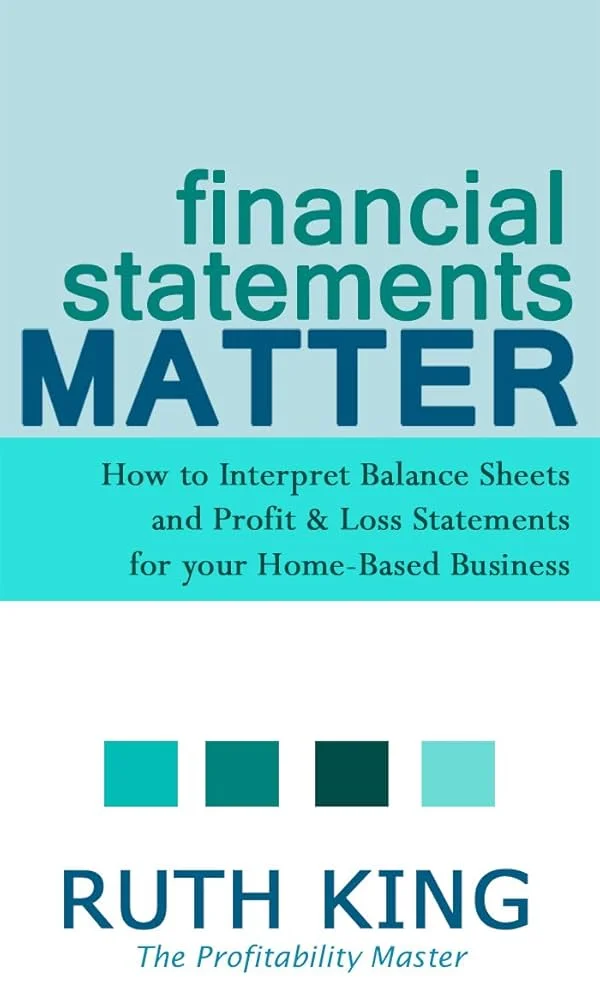
Financial Statements Matter
Written in English rather than accounting babble, discover what your balance sheets and profit and loss statements are really telling you. Make better business decisions based on accurate, timely financial statements.
For Retail businesses: Click Here
For Service businesses: Click Here
For Home based businesses: Click Here
For HVAC and Plumbing businesses: Click Here
For Irrigation/Landscaping businesses: Click Here