
Financially Fit Business Podcast
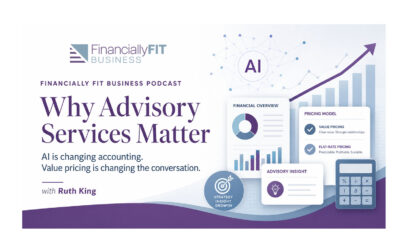
Why Financial Advisory Services and Value Pricing Matter
AI is automating routine accounting tasks, making financial insight, judgment, and client guidance more important. Learn why advisory services and value pricing are becoming essential for accounting firms.
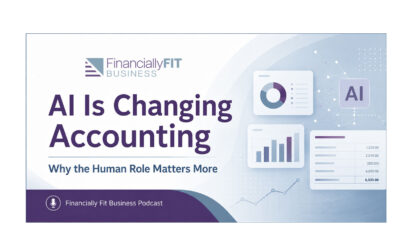
AI Is Changing Accounting. Here’s Why the Human Role Matters More
AI is automating bookkeeping, reconciliation, and financial reporting, but accountants still provide something technology can’t: judgment, accountability, context, and trust.

How CPAs Can Build a Better Relationship With AI
AI can feel overwhelming at first. I talk with Rudy Pokorny about how CPAs can get comfortable, ask better questions, and start using AI with confidence.
AI Is Changing Accounting Faster Than Expected
I came home from AICPA Engage and Scaling New Heights with a clear message: AI is changing accounting faster than many firms realize.
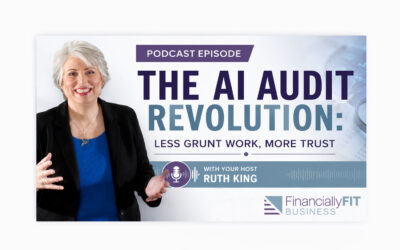
The AI Audit Revolution: Less Grunt Work, More Trust
This week, I talk with Steven Figner about using secure AI agents to reduce repetitive audit work while keeping experienced professionals involved in the final review.
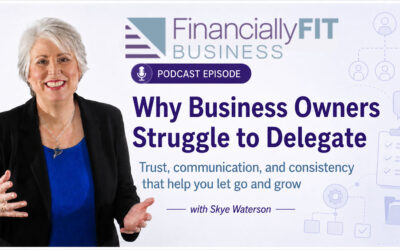
Why Business Owners Struggle to Delegate and How to Fix It
Delegation gets easier when owners improve trust, communication, and consistency. Skye Waterson shares practical ways to let go without micromanaging.

Tax Planning Strategies Business Owners Can Use Now
This week, Mike Milligan shares practical tax planning ideas CPAs can discuss with clients before year-end decisions are already behind them
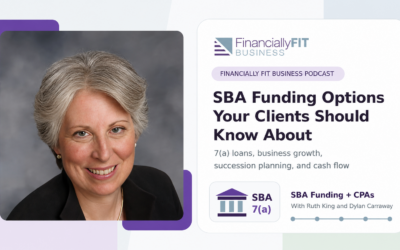
SBA Funding Options Your Clients Should Know About
In this episode, I talk with Dylan Carraway of Live Oak Bank about SBA 7(a) funding and how it can help business owners with growth, acquisitions, real estate, succession planning, and working capital.
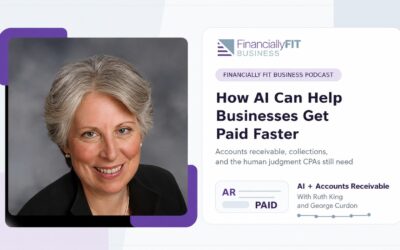
How AI Can Help Businesses Get Paid Faster
This week I talked with George Curdon of Munk about how AI can help businesses get paid faster, improve collections, and reduce manual accounts receivable work.

Tax Reduction Strategies for Business Owners
If your clients complained about taxes this year, now’s the time to start the planning conversation. Alex Sentell shares strategies CPAs may want to discuss before year-end.
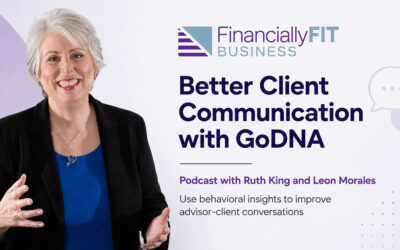
Better Client Communication with GoDNA
This week, I talk with Leon Morales about GoDNA and how you can use behavioral insights to communicate better with clients before and during meetings.
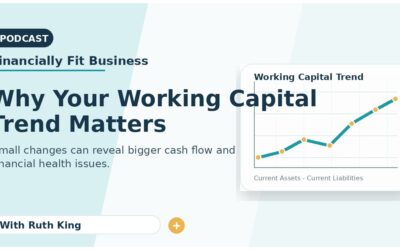
Why Your Working Capital Trend Matters
Working capital is one of my favorite financial trends because it quickly shows whether a business has enough cash strength to operate.