
Weekly Insights

5 Steps to Improve Profitability in Your Business
Profitability drives cash flow and long-term business health. Learn five practical steps to improve financial clarity, pricing, job costing, and monthly review so you can spot issues early and build a stronger business.
Why You Still Need Financial Oversight in Good Times
A business owner walked away after a great year, only to return after losses. This real example shows why consistent financial oversight matters, even when things are going well.

The Difference Between Accounting and Finance – You Need Both
Many business owners treat accounting and finance as the same thing—but they serve very different roles. Accounting tells you where your business has been, while finance helps you decide where it’s going. Understanding how these two functions work together gives you clearer insights, better decisions, and stronger financial control.

Subtle Changes in Your Gross Margin Mean A Lot
Small changes in gross margin are easy to ignore—but they often signal bigger problems developing in your business. Learn how tracking trends early can protect profitability and prevent small issues from turning into major financial setbacks.
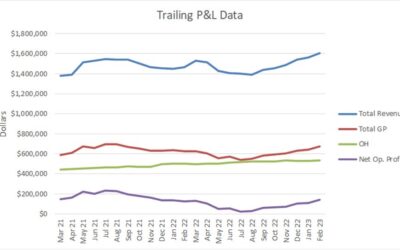
Subtle Changes in Your P&L Statement Mean A Lot
Your P&L statement tells a story about your business. Even small changes in revenue, expenses, or margins can signal deeper issues. Learn how to identify trends early and keep your business financially healthy.

A ChatGPT Horror Story
What happens when artificial intelligence goes too far? This ChatGPT horror story explores the darker side of AI and the risks of relying too heavily on technology.

The Top 10 Reasons you WANT to Look at Your P&L and Balance Sheet
Your P&L and balance sheet reveal the true financial health of your business. Learn the top 10 reasons every business owner should review these key financial statements regularly.

The Top 10 Reasons Not To Look At Your P&L And Balance Sheet
Here are the top 10 excuses I get for not looking at the company’s P&L and Balance Sheet: 1. I have cash in the bank – that’s all I need to know. 2. I like surprise tax bills. 3. They are not accurate so why should I waste my time? 4. I hate numbers. 5. It’s not...

5 “Musts” for Managers
Great managers aren’t created by chance. They develop habits and systems that help teams perform at their best. In this article, discover five essential “musts” every manager should follow to lead effectively, build accountability, and drive stronger results for their business.
Is 10% Net Profit Enough?
Many business owners aim for a 10% net profit margin—but is that actually enough? In this article, we break down what healthy businesses earn, how to evaluate profitability, and what benchmarks successful companies use.

Fun Financial Facts to Start the New Year
The new year is the perfect time to think about finances in a fresh way. These fun financial facts highlight surprising insights about money, business performance, and financial success.

Death by 1,000 Cuts – Abdicating the Responsibility for the Financial Side of Your Company
Many business owners unintentionally damage their companies by avoiding the financial side of the business. Over time, small financial issues compound into serious problems. This article explains why owners must stay engaged with their company’s financial health to prevent “death by 1,000 cuts.”
Death by 1,000 Cuts – Marketing Budget that Isn’t Based on Results
Death by 1,000 Cuts: A Marketing Budget That Isn’t Based on Results
Death by 1,000 Cuts – Don’t Give Employees KPI’s and Annual Reviews
When employees lack clear performance metrics, accountability and productivity often decline. This article explains why KPIs and annual reviews are essential tools for improving employee performance and building a stronger business.
Death by 1,000 Cuts – Not Paying Attention to Accounts Receivable
Accounts receivable may seem like a routine administrative task, but ignoring it can slowly damage your company’s cash flow. This article explains why business owners must actively manage receivables to maintain financial stability and avoid long-term financial strain.