
Most small business owners don’t fail because they lack passion or a good product. They fail because the numbers quietly got away from them. A financial plan is what keeps that from happening. It turns the vague hope of a profitable year into a clear map with checkpoints, signals, and a backup route when the market takes an unexpected turn.
If you’ve been putting this off because it feels like something only CFOs do, take a breath. Creating a financial plan for a small business is more structured than complicated. This guide walks you through the process step by step, and points out where the right financial software for small business owners turns your P&L and balance sheet into something you actually use, rather than another report that sits unread.

Step 1: Get Clear on What Your Business Is Actually Trying to Do, and How It Generates Revenue
Before you open a single spreadsheet, write down what you want your business to accomplish over the next twelve months, three years, and five years. Not in the dreamy sense. In numbers. Target revenue, target profit margin, number of employees, number of customers, and what kind of life the business needs to support for you personally.
This sounds obvious, yet most small business owners skip it. The result is a financial plan that looks tidy on paper but has nothing to do with where the owner actually wants to go. A plan without direction is just bookkeeping.
Once you know where you are going, get equally clear on how your business actually makes money. Most owners don’t really understand this, and it is critical to track.
A revenue-generating unit is the basic way your company makes money. For a car wash, it is cars washed. For a gym, members use the facility. For a restaurant, meals are served. For home services like plumbing, HVAC, or lawncare, it is billable field hours. For marketing, legal, or accounting firms, it is client hours billed.
Tracking these units daily is the foundation of staying profitable. Goals tell you where you want to go. Revenue-generating units tell you whether the engine is running fast enough to get you there.
Step 2: Take an Honest Look at Where You Are Today
You cannot plan a route if you do not know your starting point. Pull together a snapshot of your current financial position. That means a profit and loss statement for the last twelve months, a balance sheet, a cash flow statement, and a list of every recurring expense. Add in any outstanding debt, accounts receivable, and the state of your emergency fund.
If these numbers are scattered across old invoices, bank apps, and a notebook, this step tells you something important. You need better financial management tools for small business operations before you build any plan on top of the current mess. Clean, connected data is the foundation of every good forecast, and the first thing any advisor or bookkeeper will ask for when they sit down to help you.
Step 3: Project Your Revenue Realistically
Revenue projection is where most small business financial plans quietly go wrong. Owners either copy last year and add ten per cent, or pull a number out of the air that matches the growth they wish they had. Neither approach survives contact with reality.
Break revenue down by source. If you sell services, project by client, retainer, and new business pipeline. If you sell products, project by SKU, channel, and season. Use three scenarios rather than one: a conservative case, a realistic case, and a stretch case. This protects you when one big client leaves or when a launch surprises everyone on the upside.
Step 4: Map Out Your Expenses in Detail
Expenses are easier to forecast than revenue because most of them repeat. Group them into three buckets: fixed costs like rent, software subscriptions, and salaries; variable costs like raw materials and payment processing fees; and periodic costs like annual insurance premiums, tax payments, and equipment replacement.
A common mistake is forgetting the periodic ones, then scrambling in April when the tax bill lands. Spread those costs across the months they accrue, not just the months they are paid, so your plan shows the true monthly cost of running the business.
Step 5: Build a Cash Flow Forecast
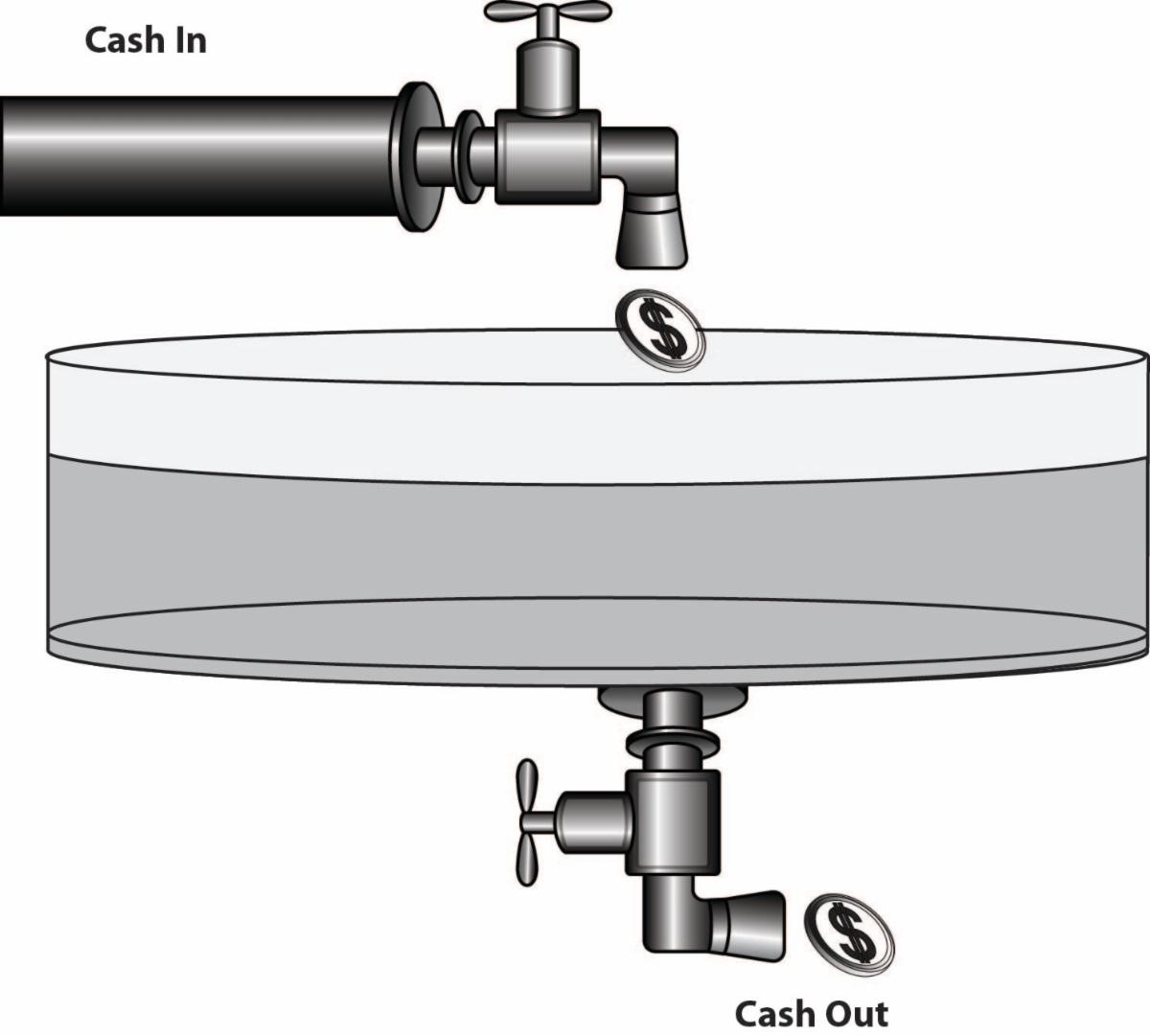
Profit and cash are not the same thing, and confusing the two has sunk more small businesses than any recession. You can be profitable on paper and still run out of money because your customers pay in sixty days and your suppliers expect payment in thirty.
Build a rolling thirteen-week cash flow forecast. Every Monday morning, update it with actual deposits and payments. This single habit gives you more control over your business than almost anything else. The right financial planning and analysis software turns this from a grind into a glance, pulling live data from your accounting platform and surfacing cash flow trends as simple visuals, so you spot a problem while you still have time to fix it.
Step 6: Plan for the Things That Will Go Wrong
A financial plan that assumes everything goes right is a wish, not a plan. Build in a reserve equal to at least three months of operating expenses and treat it as untouchable. Identify your three biggest risks, such as a major client leaving, a key supplier going under, or a sudden drop in demand, and write down exactly what you would do in each scenario.
This step takes maybe two hours once a year. It repays that time the first time something actually goes sideways, and something always does.
Step 7: Choose the Right Tools to Run the Plan
A financial plan stored in a spreadsheet on one person’s laptop is not really a plan. It is a document waiting to become outdated. The right financial software for small business owners keeps the plan alive by connecting to your real numbers and translating your P&L and balance sheet into visual insights you can read at a glance. The advisors, bookkeepers, and coaches who support small businesses are looking for the same thing, because it moves their work from reporting on the past into helping plan for what comes next.
Look for financial management tools for small business operations that do three things well. First, they pull data directly from the accounting platform you already use, rather than asking you to re-enter anything. Second, they turn those numbers into clear visuals showing profitability, cash flow, and overall financial health. Third, they help you spot trends early, while problems are still small and opportunities are still open.
Step 8: Review, Reforecast, Repeat
A financial plan is not a document you write once and file away. Review it monthly against actuals, re-forecast quarterly with what you have learned, and rebuild it fully once a year. The plans that drive real results are the ones that get touched often, not the ones that live in a shared drive no one opens.
Set a standing thirty-minute meeting with yourself on the first Monday of every month. Pull up the plan, compare it to reality, and adjust. When your insights are already visual and the trends are easy to see, this review takes minutes rather than half a day. That small ritual separates businesses that grow with intention from businesses that grow by accident.
Where Financially Fit Business Comes In
Creating a financial plan is the easier part. Actually using the insights hiding inside your P&L and balance sheet, month after month, is where most owners get stuck. That is the gap Financially Fit Business is built to close.
Financially Fit Business takes the numbers already coming from your financial statements and turns them into clear visual insights you can understand, monitor, and act on. Instead of letting reports sit unread, you see trends in profitability, cash flow, and overall financial health in minutes, and catch small issues while they are still small.
The same platform works just as well for the accountants, bookkeepers, and financial advisors who support small business owners, giving everyone the same view of the same data and moving the conversation beyond compliance and reporting into real planning and growth.
If you have been running on gut feel and month-end reports, there is a better way to see your business. Take a closer look at Financially Fit Business and turn your financial statements into the decision-making tool they were always meant to be.
Frequently Asked Questions
1. How often should a small business update its financial plan?
Review the plan monthly against your actual performance, re-forecast quarterly based on what has changed, and rebuild the full plan once a year. Most of the value comes from the monthly review, which takes roughly thirty minutes once you have the right system in place. Plans that sit untouched for six months or more stop being useful very quickly.
2. Do I really need financial software, or can I just use spreadsheets?
Spreadsheets can work for a very early-stage business with simple revenue and a handful of expenses. Once you have employees, multiple revenue streams, or inventory, spreadsheets start creating more errors than they catch. Dedicated financial software for small business owners pulls live data, reduces manual entry, and gives you a version of the truth that everyone on your team, including any advisor or bookkeeper you work with, can rely on.
3. What is the difference between accounting software and financial planning and analysis software?
Accounting software records what has already happened. It tracks invoices, payments, and expenses so you can report on the past and file taxes correctly. Financial planning and analysis software looks forward. It builds forecasts, runs scenarios, tracks progress against your plan, and helps you make decisions about the future. Most growing businesses need both, working together, to run well.